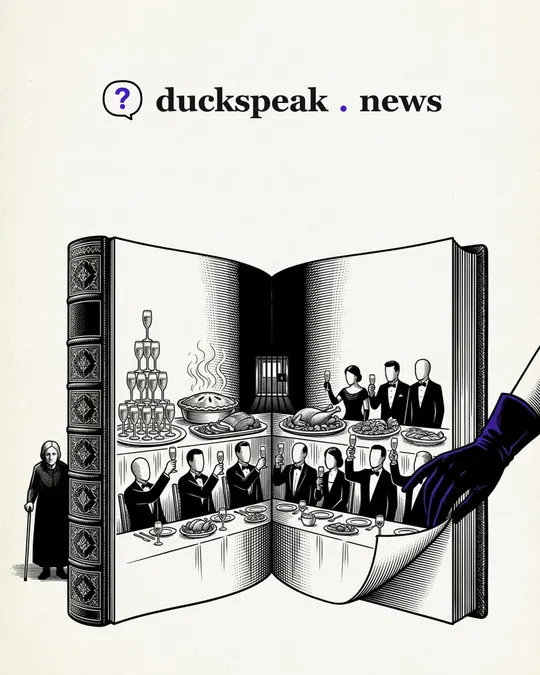
The nostalgia offset is a paragraph placed at the end of a piece, after the hard content, that pulls the reader’s attention toward something warm and unrelated: a discography, a highlight reel, a nickname from happier coverage. It functions as a chaser: the unpleasant fact was reported, technically, and then immediately diluted by pleasant noise before the reader closes the tab.
- Coverage of eight counts of alleged child sexual abuse against a former pop star closed with: “Glitter was one of the biggest stars of his time, selling 18 million records in five years,” followed by a list of his hit singles. The juxtaposition, hit-song titles directly beneath an account of a child “aged between eight and 11,” was the outlet’s own choice of ending, not this critique’s construction. The story wasn’t suppressed. It was karaoke-adjacent.