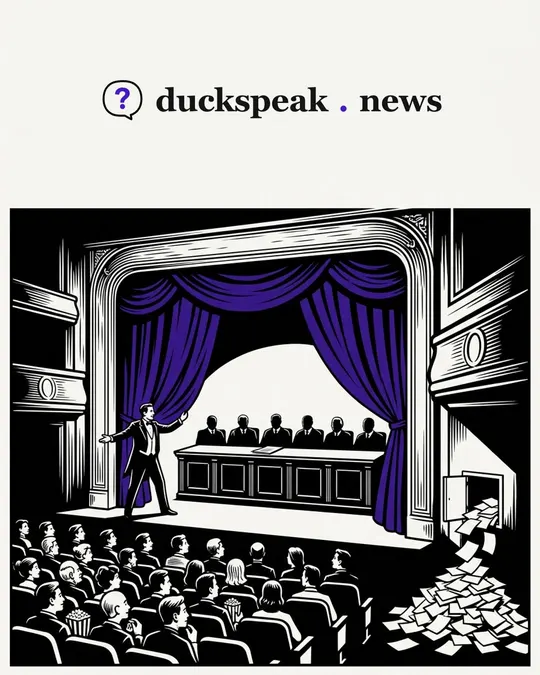
Bothsidesism, also called a symmetry construction, is a sentence built to describe two parties as equally active participants in an event that only one of them started. “Both sides escalated,” “the two countries pummel each other,” “the conflict intensified”: the grammar assigns the same verb to an aggressor and the party being attacked, which converts an invasion into a weather system, something that happens to a region rather than something one government does to another.
- Coverage of a Russia-Ukraine “peace push” opened by correctly naming “Russia’s full-scale invasion.” Within a few sentences the same copy had drifted to “both sides escalated their aerial attacks” and “Russia and Ukraine pummel each other with long-range missile and drone attacks.” One outlet’s body text never used the word invasion at all, calling it throughout “the war between Russia and Ukraine,” a bilateral quarrel with two equal owners. Every corpse listed in that coverage, without exception, was in Ukraine.
- A performer called a stadium owner’s ultimatum against a fellow artist “a passionate argument about freedom of speech,” and an outlet built its article to match: a fan who protested the removal set against a fan who objected to politics at shows, presented as the two sides. What the same article documented was a chain, not an argument — a billionaire’s pressure, a promoter’s decision, openers withdrawing. One side of the “argument” owned the stadium.