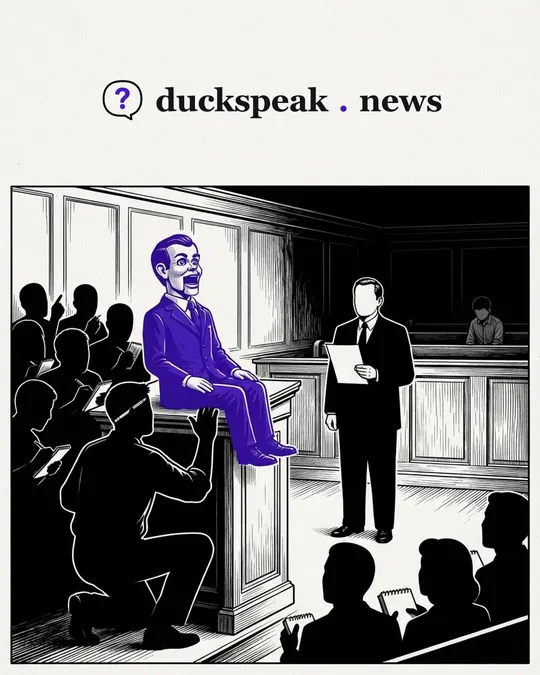
Modal deletion is the removal of a hedging verb, usually “could” or “may,” between an article’s body and its headline. The body keeps the hedge because the underlying claim is a possibility, not a documented event; the headline drops it because a possibility doesn’t sell as hard as a fact. The modal verb is the one place in the sentence where a maybe and a record are still distinguishable. Delete it and the maybe reads as the record.
- One outlet’s headline read “Beijing Uses Tractors to Spy on UK Food Security,” present tense, active voice, named adversary. Four paragraphs into the same piece, the actual claim, from a lobbying group’s report, was that state-linked groups “could exploit” GPS-guided tractors to monitor farm output. No incident of agricultural espionage appeared anywhere in the article. The headline had manufactured an ongoing operation by deleting one word most readers would never see removed, because most readers never reach paragraph four.
- A sister move lives inside a single piece, not just between headline and body. A poll story on a French presidential race kept every number conditional: the candidate “would win” 60% of votes, the gap “would become” vast. But the narration around those numbers ran in the indicative from its very first sentence: “the levee is breaking,” a “profound shift” has occurred. The numbers stayed hedged; the story describing them had already decided the outcome.