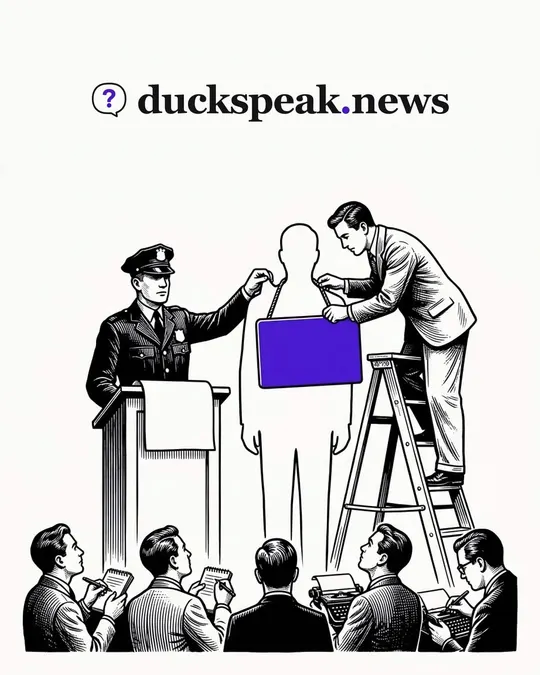
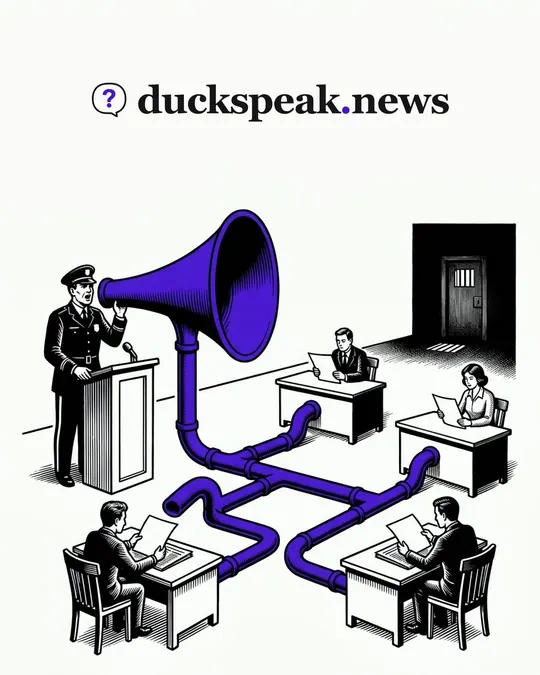
Guilt by juxtaposition makes a claim through the order of the paragraphs rather than through any sentence. Two facts, or three unrelated cases, are set one after another, and the reader joins them: this caused that, or these are all the same thing. The article has asserted nothing, so it owes no evidence for the link, and a reader who objects can be told it was only reporting facts that are each true.
A report on a vaccine trial halted in Guinea-Bissau did it with three cases:
- The trial itself, followed at once by « l’Occident n’en est pas à son coup d’essai » (the West is no stranger to this), the sentence that turns what follows into a series.
- A vaccination programme in India, where seven participants « étaient décédées pendant la période du programme » (had died during the programme), a timing that never says the programme caused the deaths but is placed to be read that way.
- A Dutch civil case against Bill Gates over Covid-19 vaccines, unrelated to hepatitis B or to infants.
Only in its last lines did the piece concede the cases were « distinctes dans leurs faits et leurs responsabilités » (distinct in their facts and responsibilities), after the reader had already received the pattern, and it still closed on « une interrogation commune » (a common question).
Two sentences are enough. A report on water cuts in Mayotte wrote that « des habitants ont décidé de ne plus régler leurs factures. Ces impayés atteignent 40 millions d’euros » (some residents decided to stop paying their bills. The unpaid bills reach 40 million euros). Nothing said over what period the debt built up, whether it predated the strike, or how much was refusal rather than inability to pay; the full stop between the two sentences did the work of a “because”.